Choose "Make this ad premium" at checkout.
90.00 Dollar US$ Bamboo Plywood Various Sizes Factory Wholesale Los Angeles
- Location: Los Angeles, Los Angeles, California, United States
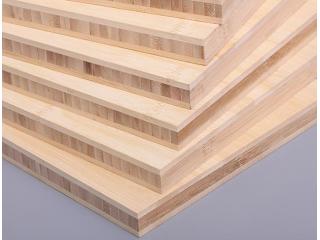
Bamboo plywood has moved from a niche material to a regular choice among builders, furniture makers, designers, and manufacturers who value strength, dimensional stability, and a clean, contemporary look. For technologists working inside bamboo-processing plants, the material's behavior from culm to finished panel is familiar, but many buyers and even some engineers still hold outdated assumptions about how bamboo panels are made and how they perform. This guide covers the entire process, the key performance characteristics, and the practical considerations that matter for realworld applications. What Bamboo Plywood Is Bamboo plywood is an engineered board produced by slicing, boiling or steaming, drying, gluing, pressing, and sanding bamboo strips into panels or blocks. Although many people compare it to traditional hardwood plywood, the structure is quite different. Instead of peeling veneers from logs, factories create "slats" or "strips" from bamboo culms. These strips become the basic building blocks of layered panels in either vertical (edgegrain), horizontal (flatgrain), strandwoven, or combined formats. What sets bamboo apart is its fiber orientation and density distribution. Bamboo culms have high silica content, strong longitudinal fibers, and a hollow cylindrical form, which means the raw material behaves differently from wood when processed. The internal gradient---harder on the outer layer, softer toward the inner wall---demands careful selection and grading to keep panels consistent. How Bamboo Plywood Is Made Although processes vary by mill and product specification, most factories follow steps similar to the ones described below. 1. Raw Material Selection The quality of panels always begins with the quality of the culms. Factories generally choose poles aged between 4 and 6 years, because younger culms have unstable moisture and older poles may become brittle. Technologists check diameter, wall thickness, internode length, and surface hardness. Uniformity is crucial; mixing very different culms leads to uneven pressing and color variation. 2. Cutting and Splitting Culms are cut into workable lengths, then split into strips using radial knives. Knots, inner membranes, and soft inner layers are removed. This step determines much of the final product's smoothness and strength because any remaining inner wall residue can cause glueline failures. 3. Boiling, Carbonizing, or Bleaching Strips undergo either natural (noncarbonized) or carbonized treatment. * Natural: steamed lightly or boiled to remove sugars and starches, then dried. * Carbonized: heavily steamed to darken the color and reduce natural variability. Carbonizing softens the fibers slightly, so carbonized boards typically test a bit lower in hardness compared to natural ones. That tradeoff is widely understood by manufacturers, who adjust pressing pressure and glue spread rate accordingly. 4. Drying The strips are kilndried to a controlled moisture content. Keeping moisture uniform is one of the most important steps. Overdried strips absorb adhesive too rapidly and may lead to brittle glue lines. Underdried strips create steam pockets during pressing, causing bubbles or delamination. 5. Glue Application Factories use different adhesives depending on product class: * E0/E1: low formaldehyde ureaformaldehyde or modified UF * Exteriorgrade: phenolformaldehyde or MDI-based systems Spread rate, viscosity, and glue pot life are monitored to ensure proper penetration. Good bonding depends as much on adhesive quality as on even distribution across the strip faces. 6. Layering and Layup The distinctive look of bamboo plywood comes from how strips are oriented: * Horizontal: flat surface shows the nodes, creating a wider grain appearance * Vertical: narrow edgegrain look, very consistent and linear * Strandwoven: fibers crushed, mixed with resin, and pressed at high density * Crosslaminated: layers arranged perpendicular for stability The layup affects stability, hardness, and machining behavior. Vertical grain panels resist cupping slightly better, while horizontal grain panels offer a classic bamboo appearance.


Useful information
- Avoid scams by acting locally or paying with PayPal
- Never pay with Western Union, Moneygram or other anonymous payment services
- Don't buy or sell outside of your country. Don't accept cashier cheques from outside your country
- This site is never involved in any transaction, and does not handle payments, shipping, guarantee transactions, provide escrow services, or offer "buyer protection" or "seller certification"
Related listings
-
 Reliable Automatic Door Repair for BusinessesHome - Furniture - Garden - Oakville (Ontario) - February 17, 2026 Free
Ensure smooth, safe, and reliable access for your business with expert service tailored to commercial needs. Our technicians specialize in commercial automatic door repair, delivering fast diagnostics and durable solutions. Stride Access provides com...
-
 Professional Exterior Painters inHome - Furniture - Garden - Burlington (Ontario) - February 17, 2026 Free
Improve curb appeal with exterior painters in Burlington homeowners trust for durable, weather-resistant finishes. Living Colour Painters provides expert preparation, premium coatings, and flawless results that protect your home. Call +1 9056309815 t...
-
 Experience Elegance: Visit the Leading Home Decor Showroom in PuneHome - Furniture - Garden - Pune (Maharashtra) - February 17, 2026 Free
Transforming your living space into a masterpiece requires the expertise of the best interior design company in pune. If you are looking to revitalize your residence, visiting a premium home decor showroom in pune is the first step toward inspiration...